Several recent achievements by current institute members and alumni
We are proud to celebrate a series of outstanding achievements by members and alumni of our institute.
- Meeyoung Cha was awarded the Order of Science and Technology Merit (Innovation Medal) by South Korea, one of the country's highest honors for contributions to science and technology.
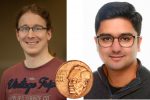
- Savvas Zannettou will receive the Adamic-Glance Distinguished Early Career Award 2026, recognizing innovative contributions to Computational Social Science.
- Mainack Mondal, Denzil Correa,
We are proud to celebrate a series of outstanding achievements by members and alumni of our institute.
Congratulations to all award recipients on these well-deserved recognitions. We are honored to have such talented researchers and alumni in our community!
- Meeyoung Cha was awarded the Order of Science and Technology Merit (Innovation Medal) by South Korea, one of the country's highest honors for contributions to science and technology.
- Savvas Zannettou will receive the Adamic-Glance Distinguished Early Career Award 2026, recognizing innovative contributions to Computational Social Science.
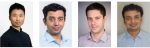
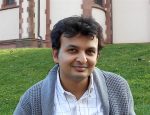
- Mainack Mondal, Denzil Correa, and Fabricio Benvenuto received the 2026 AAAI ICWSM Test-of-Time Runners-up Award for their influential 2016 paper, “Analysing the Targets of Hate in Online Social Media.”
- Keerthana Karnam, Abhisek Dash, and Sepehr Mousavi will receive the 2026 CNIL-INRIA Privacy Runners-up Award for their research on compliance with GDPR's Right of Access to Data across major online platforms.
Congratulations to all award recipients on these well-deserved recognitions. We are honored to have such talented researchers and alumni in our community!